- Home >
- Blechprototyp
Sheet‑Metal Prototype Manufacturing Experts
24‑hour rapid prototyping
±0.1 mm precision manufacturing
200 + material options
Six supported welding processes
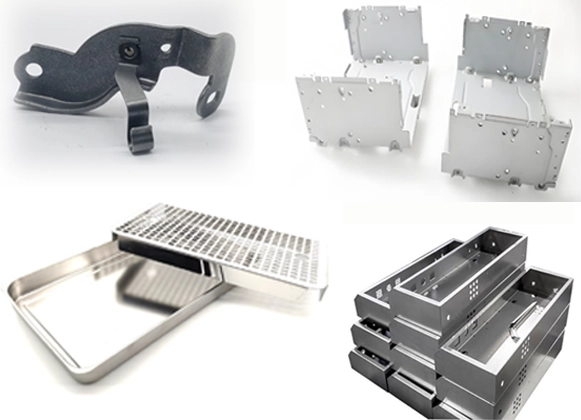
End‑to‑end solutions—from laser cutting to final welding
All‑Material Machining Specialists
0.1 – 3.0 mm
0.1 – 2.0 mm
0.1 – 3.0 mm
0.5 – 3.0 mm
0.3 – 4.0 mm
0.3 – 4.0 mm
Laser cutting: ±0.1 mm (sheet ≤ 5 mm)
Bending angle: ±0.5°
Laser‑weld deformation: ≤ 0.3 mm / m
Robotic weld positioning: ±0.05 mm
X‑ray weld inspection
3D laser‑scan dimensional verification
Key Processes for Sheet Metal Prototype Manufacturing
- Pick steel/aluminum/stainless steel for sheet metal prototype.
- Optimize sheet metal prototype CAD for manufacturability.
- Pre-treat sheets (flatten, clean, add film) for prototype.
- Laser cut sheet metal prototype (±0.1mm precision).
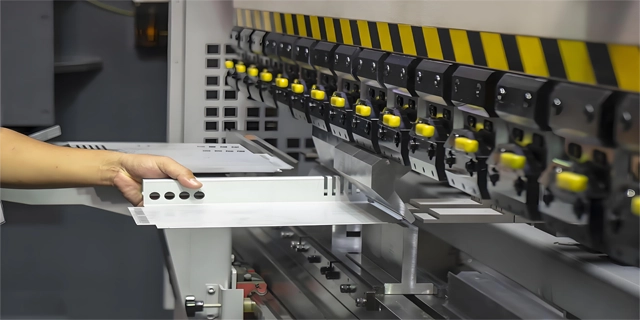
- CNC bend sheet metal prototype (±0.5° accuracy).
- Roll bend/punch complex shapes for prototype.
- Weld sheet metal prototype (MIG/TIG for steel; TIG for Al).
- Deburr, grind, stress-relieve prototype post-welding.
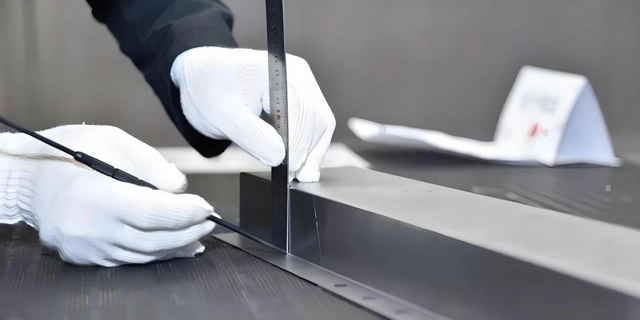
- Check prototype fit (±0.2mm tolerance) after assembly.
Surface Finish & QA
Prep & Coa
Client Value
Minimize Risks & Save Costs
Boost Durability & Reliability
Enhance Aesthetics & Usability
Our Achievements
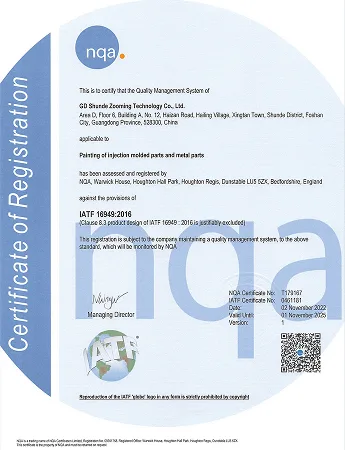
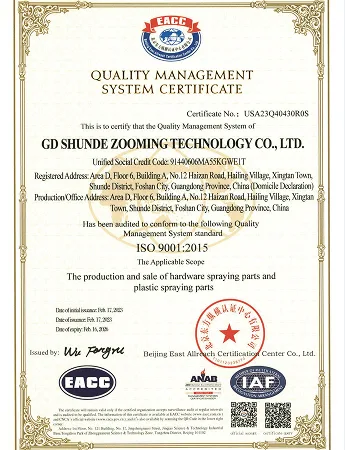
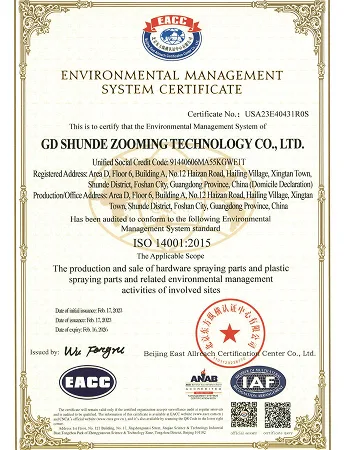
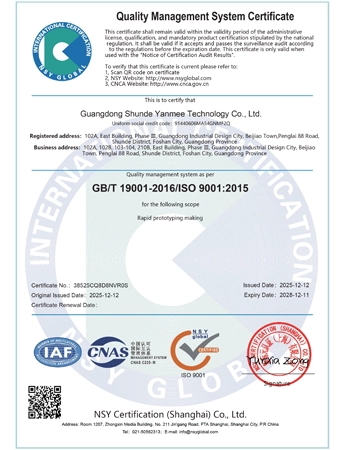
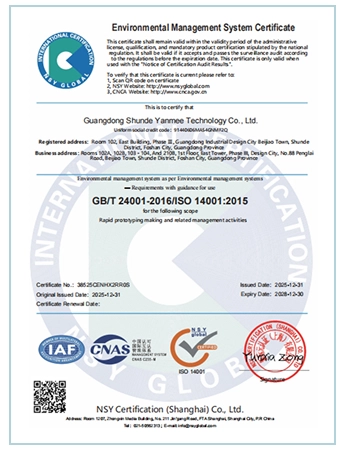
Certified for Success
Explore the trusted certifications that back our promise of consistent quality and manufacturing excellence.
Service Advantages
From 24-hour prototypes to production-grade precision and end-to-end management, we efficiently accelerate innovation while safeguarding design integrity and costs.
Lightning Speed
24-hour DFM feedback and next-day prototypes keep your project weeks ahead of schedule.
Micron Precision
Five-axis CNC, industrial 3D printing and a 19-point QC loop hold tolerances to ±0.01 mm for production-ready quality.
Seamless Integration
Design review, tooling, finishing and global logistics all happen under one roof, cutting launch risk and timelines by up to 40 %.
Collaborative Expertise
Cross-functional engineers partner with you from concept to delivery, aligning materials, aesthetics and performance for optimal cost and reliability.
Industry‑Focused Solutions
Advantage:Custom verification for new energy scenarios
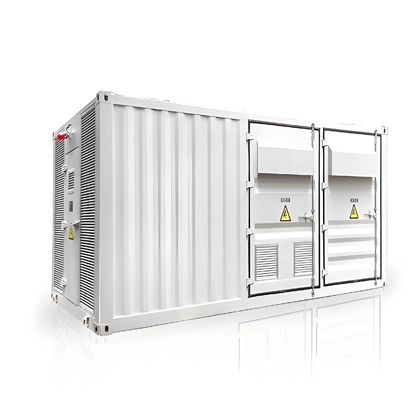
Applied:Battery cases, charging pile housings

Advantage:Custom Ensures safety & precision for medical use
Applied:Device frames, diagnostic machine shells
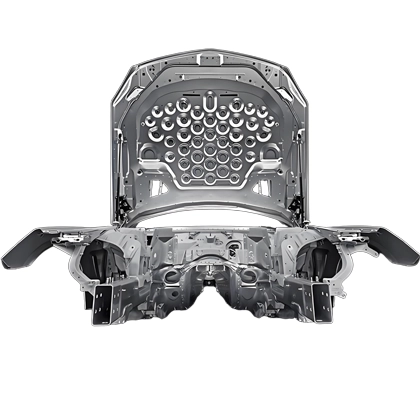
Advantage:High strength & fit for auto assembly
Applied:Car body panels, battery case shells
Dedicated Support
FAQ
Ask Us Anything
What DFM checks do you perform before starting sheet-metal prototype manufacturing?
Before sheet-metal prototype manufacturing, we review bend feasibility (minimum flange length, inside radius, bend relief), hole-to-edge spacing, hardware/fastener clearance, and assembly access. We also check for tolerance stack-up risks across mating panels and propose adjustments to reduce rework during trial builds.
How do you control bend accuracy and repeatability across prototype batches?
For sheet-metal prototype manufacturing, repeatability depends on material lot consistency, grain direction control, press brake tooling selection, and verified bend deduction/K-factor settings. We run trial bends when needed, lock process parameters, and use in-process inspection to maintain stable angles and critical dimensions across iterations.
How do you manage flat-pattern development and revision control for enclosures?
We generate flat patterns based on validated bend tables and the specific tooling setup used for your build. For sheet-metal prototype manufacturing with frequent design changes, we maintain revision tracking and clearly document any changes in bend allowances, hole positions, or hardware specs to prevent mixed revisions during assembly.
What is your approach to tolerance definition for sheet-metal assemblies?
We advise defining tolerances by function and interface, not uniformly across the drawing. In sheet-metal prototype manufacturing, we prioritize datums on mating surfaces, fastener patterns, and sealing interfaces, while keeping non-critical cosmetic features within practical fabrication limits to avoid unnecessary cost and lead time.
Can you integrate hardware insertion, welding, and finishing within one prototype build?
Yes. Our sheet-metal prototype manufacturing can include PEM insertion, spot welding/MIG/TIG welding, studs/standoffs, and captive fasteners, followed by finishing such as powder coating, plating, brushing, bead blasting, or anodizing (material dependent). We coordinate process order to protect cosmetic surfaces and maintain fit after coating thickness is applied.