[gtranslate]

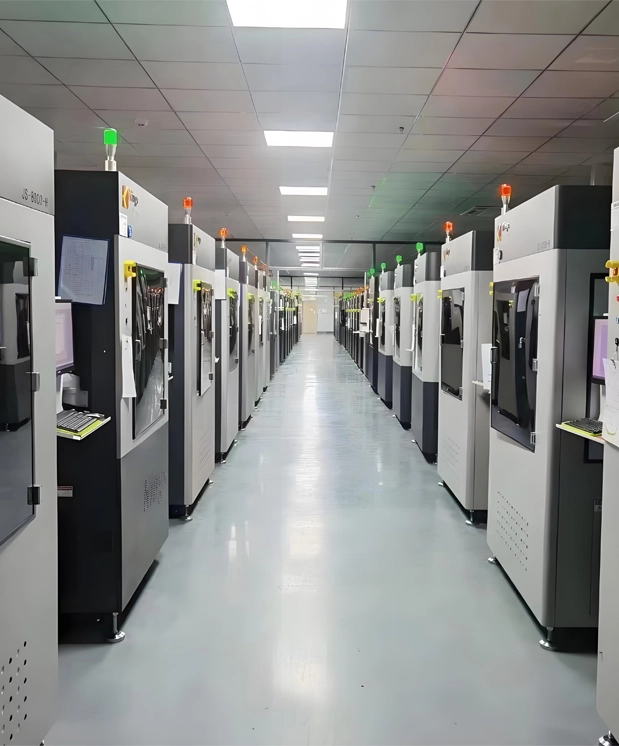
24-Hour Precision 3D Printing

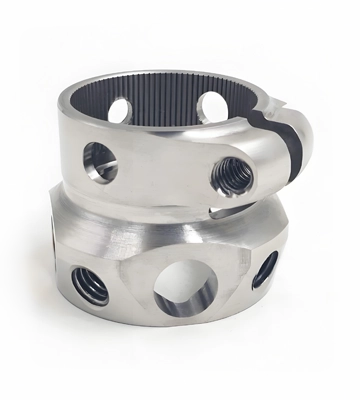
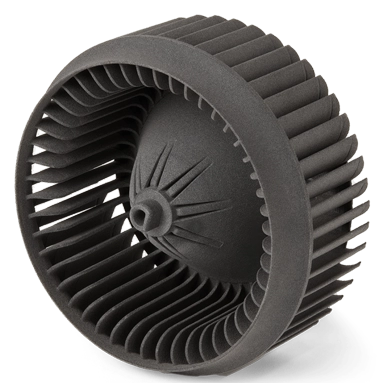
Iterate overnight with SLA, SLS, FDM, and metal

options—delivering micron-level detail in production-grade materials.

Max travel:1200*800*500

24 Hour Turnaround

We deliver functional prototypes within 24 hours, faster design validation & shorter development cycles.

High Efficiency

From SLA to metal printing, our rapid iteration across diverse materials with minimal lead time.

Exceptional Details

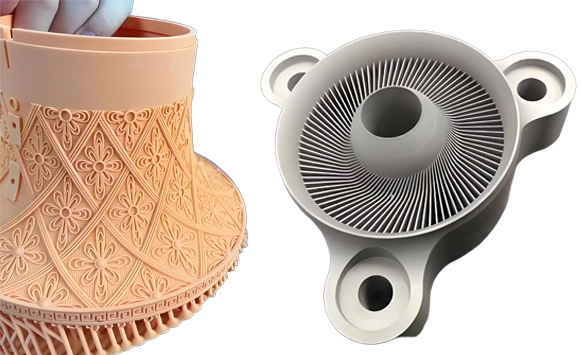
Sub-0.01 mm precision, ensuring every surface, edge, and curve reflects your exact design intent.

Rapid 3D Print Workflow

Upload CAD, get instant DFM feedback and pricing; SLA, SLS or metal prints start overnight, followed by post-processing, CMM inspection, secure packaging, and worldwide dispatch within an assured 24-hour turnaround.

Get your parts quickly with our Online 3D Printing Service

Improve your business strategy and speed up your innovation by using our online 3D printing service. Benefit from the expertise of 3D printing professionals and start manufacturing high-quality products thanks to our cutting edge 3D printing technologies.

Metal 3D Printing Materials

A material think tank from concept to physical object, matching molecular formulas for 428 application scenarios.

ABS12
Standard Resin

Properties: High precision, smooth surface, low cost, brittle.

Applications: Prototypes, display models, educational models.
hongla13
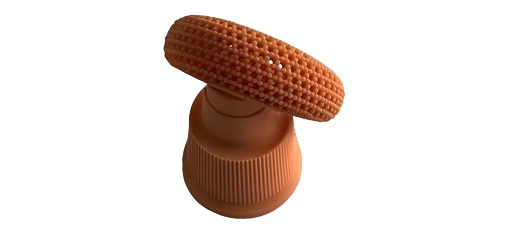
Red Wax

Properties: High resolution, burnable, brittle, ideal for casting.

Applications: Jewelry, dental models, micro art pieces.
透明113
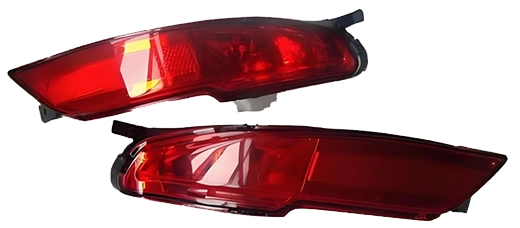
Clear Resin

Properties: High transparency, smooth surface, brittle, moderate heat resistance.

Applications: Optical models, medical guides, transparent housings.
尼龙12
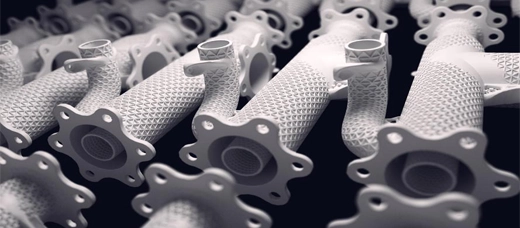
PA11

Properties: High toughness, chemical resistant, fatigue-resistant, eco-friendly.

Applications: Automotive parts, sports equipment, prosthetics.
尼龙11
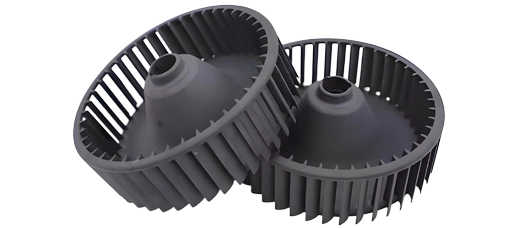
PA + GF

Properties: High strength, rigid, lightweight, heat-resistant.

Applications: UAV parts, automotive components, engineering jigs.
铝1
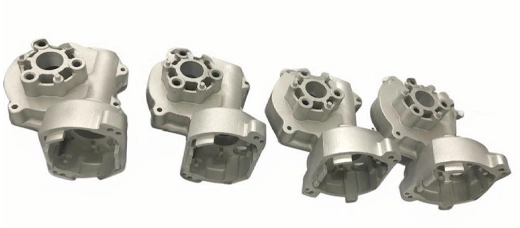
AlSi10Mg

Properties: Lightweight, strong, good thermal conductivity, fatigue-resistant.

Applications: Aerospace, automotive parts, electronic housings.
Rectangle 934
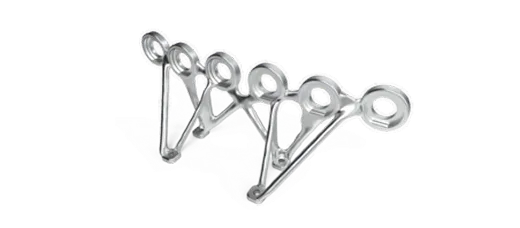
316L

Properties: Corrosion-resistant, wear-resistant, high mechanical stability.

Applications: Medical instruments, industrial parts, chemical equipment.
钛11
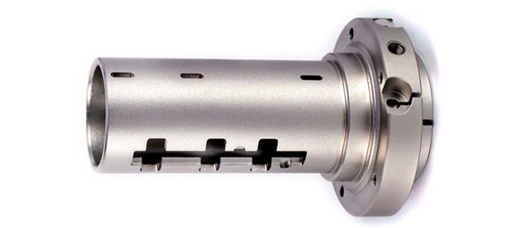
Ti6Al4V

Properties: High strength, lightweight, biocompatible, corrosion-resistant.

Applications: Aerospace, medical implants, high-end sports equipment.
Our Achievements

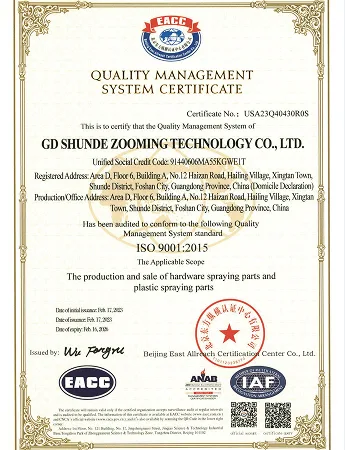
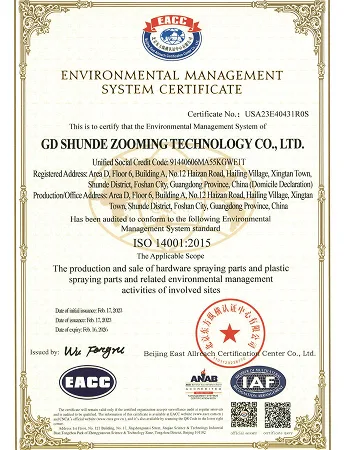
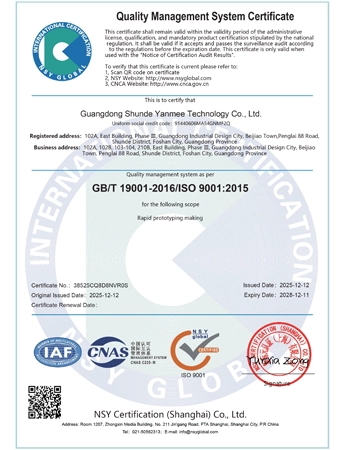
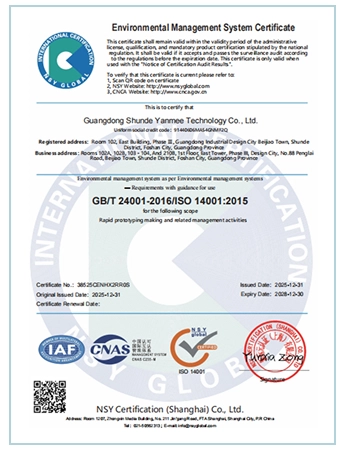
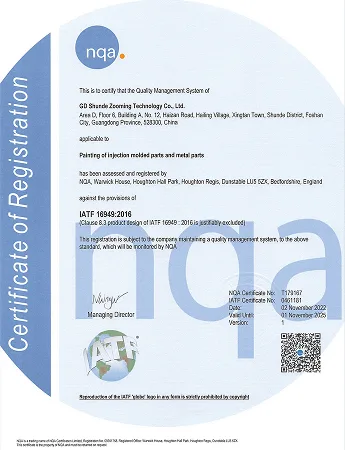
Certified for Success

Explore the trusted certifications that back our promise of consistent quality and manufacturing excellence.

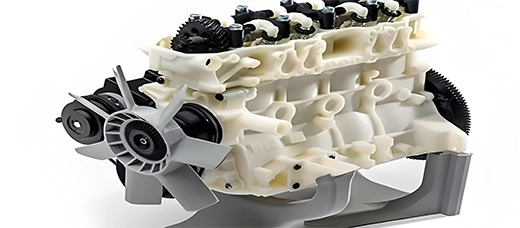
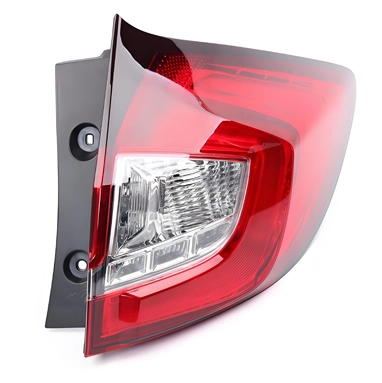
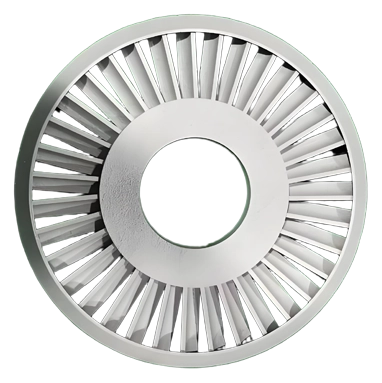
Our Products

Equipped with a multilingual project team, our services cover more than 20 countries and regions including Europe, America, Japan and South Korea.

Service Advantages

From 24-hour prototypes to production-grade precision and end-to-end management, we efficiently accelerate innovation while safeguarding design integrity and costs.

Lightning Speed

24-hour DFM feedback and next-day prototypes keep your project weeks ahead of schedule.

Micron Precision

Five-axis CNC, industrial 3D printing and a 19-point QC loop hold tolerances to ±0.01 mm for production-ready quality.

Seamless Integration

Design review, tooling, finishing and global logistics all happen under one roof, cutting launch risk and timelines by up to 40 %.

Collaborative Expertise

Cross-functional engineers partner with you from concept to delivery, aligning materials, aesthetics and performance for optimal cost and reliability.

FAQ

Ask Us Anything

3D Print Prototypes are primarily used to validate form, fit, and basic function before investing in tooling or mass production. They help engineers and designers identify design flaws early, reduce development risk, and accelerate decision-making across design, engineering, and marketing teams.

Modern 3D Print Prototypes can achieve high dimensional accuracy, often within ±0.1 mm depending on the technology and material used. While they may not fully replicate the mechanical properties of injection-molded parts, they are sufficiently accurate for design verification, assembly testing, and visual evaluation.

3D Print Prototypes can be produced using a wide range of materials, including PLA, ABS, Nylon, PETG, resin, and engineering-grade plastics. For functional testing, reinforced or high-temperature materials are often selected to better simulate real-world performance.

One of the key advantages of 3D Print Prototypes is speed. Most prototypes can be produced within 24–72 hours, depending on complexity, size, and post-processing requirements. This rapid turnaround significantly shortens product development cycles.

Yes. In addition to prototyping, 3D Print Prototypes are increasingly used for low-volume or bridge production. This approach is cost-effective for short runs, custom parts, or market testing before committing to full-scale manufacturing.

滚动至顶部